

As we turn the calendar, let’s make preventive dental care our first, easiest win. With regular checkups, cleanings, and daily plaque control, we spot small problems early, avoid costly fixes, and protect our gums and overall health. Modern tools help us see what’s happening in real time, so we can act sooner with less stress. Together, we can set a simple plan that fits your life, and there’s a surprising link to whole‑body wellness you’ll want to contemplate next.
What Preventive Dentistry Includes
Even before problems start, preventive dentistry focuses on keeping your mouth healthy with consistent, evidence-based care. In this preventive services overview, we include thorough exams, professional cleanings, and targeted digital X-rays to assess teeth, gums, and bite. We highlight dental checkup importance by using calibrated risk assessments and periodontal measurements. We review oral hygiene practices you can sustain at home, then tailor personalized care plans that match your goals and health history. You’ll receive clear guidance, patient education benefits include better daily habits and fewer surprises. Our cost savings analysis is straightforward: prevention reduces emergency visits, extensive procedures, and time away from life.
Why Small Dental Problems Are Easier to Treat Early
Because dental diseases progress, catching small problems early lets us intervene with the least invasive, most predictable treatments. With early cavities, we can remineralize or place tiny fillings; advanced decay often needs crowns or root canals. That’s a clear Treatment ease comparison and a path to Early intervention benefits.
We also consider time, Patient comfort, and budgets. Short, painless visits are more likely when issues are small, typically cost-effective solutions with less anesthesia and recovery. Addressing mild gum inflammation now prevents more serious damage later. Early care protects chewing function, preserves tooth structure, and supports long-term health while minimizing disruptions to your schedule and wallet.
How Preventive Dentistry Supports Gum Health
Protecting small problems early also keeps gums healthy. We focus on gum disease prevention by pairing daily oral hygiene with timely professional cleanings. Plaque control reduces inflammation that deepens pockets and threatens bone. We monitor pocket depths to catch change before teeth loosen. With patient education, you’ll know what to do at home and when to seek care.
1. Daily plaque control: brush twice, clean between teeth, and use targeted rinses.
2. Professional cleanings: remove tartar your brush can’t reach and calm inflamed gums.
3. Pocket monitoring: track millimeter changes and treat promptly.
4. Bone preservation: stop progression that leads to tooth mobility.
The Role of Advanced Technology in Preventive Care
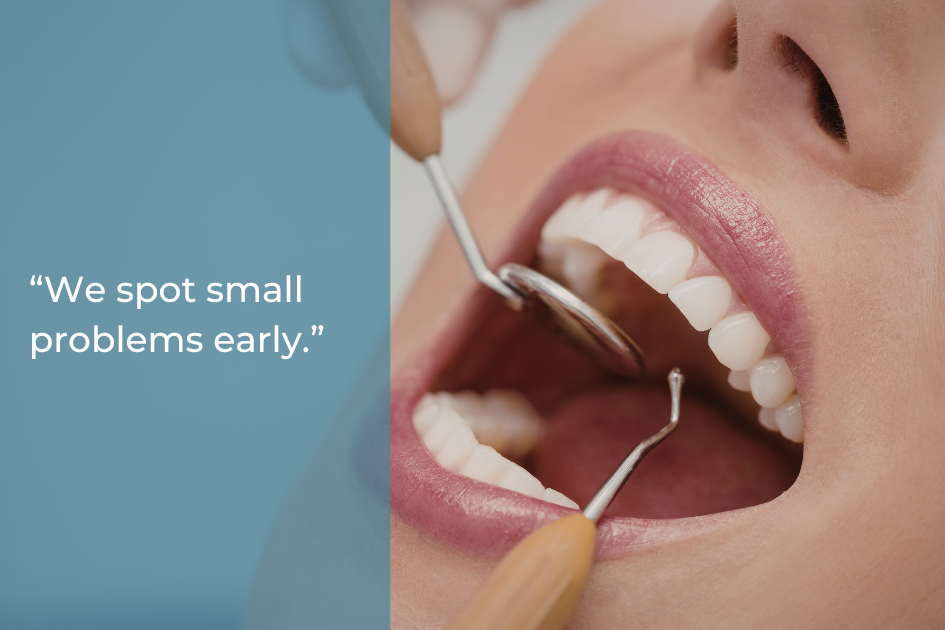
Technology elevates preventive care by making exams more precise, comfortable, and collaborative. We use Digital imaging and Intraoral cameras to reveal details that eyes alone can miss, driving measurable accuracy improvement in early cavity and crack detection. High‑resolution visuals reduce guesswork and limit retakes, supporting patient comfort by shortening visits and using lower radiation than traditional film. You can see what we see on-screen, promoting enhanced communication and informed choices. Together, we track changes over time, compare images, and decide on timely, conservative treatments. This proactive approach helps us prevent small issues from escalating while keeping visits efficient and reassuring.
Preventive Care and Whole-Body Health
While a healthy smile is the goal, preventive dentistry also safeguards the rest of the body. We respect the oral systemic connection: gum inflammation can amplify risks for diabetes, heart disease, and adverse pregnancy outcomes. By controlling plaque and inflammation, we reduce whole-body inflammatory burden and reveal holistic health benefits. We partner with you through patient education strategies and preventive lifestyle choices that fit your routine, and we support dental anxiety management so care stays consistent and effective.
1. Screen early: periodontal assessments and salivary tests.
2. Control inflammation: cleanings, home care coaching.
3. Optimize habits: nutrition, tobacco cessation, hydration.
4. Maintain consistency: personalized recall intervals and reminders.
Preventive Dentistry for Every Stage of Life
From baby teeth to full dentures, preventive dentistry adapts to your needs at every age so problems stay small and health stays strong. We focus on children’s habits first, fluoride, sealants, brushing skills, and diet patterns that protect enamel and shape lifelong care. As needs evolve, adult maintenance matters: regular cleanings, periodontal screening, nightguard evaluation, and risk-based X‑rays keep gums stable and teeth intact. For seniors, we safeguard function and comfort by protecting senior restorations, crowns, implants, and dentures through fit checks, dry mouth management, and cavity prevention at the roots. As a family dental team, we tailor plans, track changes, and act early to keep smiles resilient.
Common Preventive Dentistry Questions Answered
Curious how preventive visits actually work? We focus on clear steps, comfort, and science-backed guidance. Regular care strengthens oral hygiene and multiplies preventive benefits.
1. How often should I go? Typical cleaning frequency is every six months; higher risk (gum disease, cavities, diabetes, smoking) may need three to four months based on evidence.
2. Are cleanings uncomfortable? We scale gently, use desensitizers, and adjust for dental anxiety; tell us what you feel.
3. What if I feel fine? Early decay and gum inflammation are often silent—prevention costs less than repair.
4. How long does an exam take? Average exam duration is 15–30 minutes; add time if X-rays or findings arise.
Making Preventive Care Fit Your Schedule
Even with busy calendars, we can make preventive visits simple by using flexible scheduling, planning for the year, and setting reminders that keep care consistent without stress. We start by booking Flexible appointments at intervals supported by evidence, typically every six months, then align them with school, work, or travel. Convenient checkups early in the day or during lunch reduce disruptions. We set Timely reminders, text, app, or calendar, to maintain momentum. For unique needs, we create Customized plans, such as shorter recall times for gum concerns or night guard checks. These steps promote stress-free visits, fewer emergencies, and better long-term oral health.
Conclusion
As we step into this new year, let’s treat our mouths like gardens we tend together: regular checkups are rain, daily brushing and flossing the steady sun, and early treatment the pruning that prevents overgrowth. With modern tools guiding us, we can spot tiny weeds before they take root, protecting gums, bodies, and budgets alike. Across every life stage, prevention keeps our smile-ecosystem thriving. Let’s commit now to small, evidence-based habits that support lasting oral health all year long. If you’re ready to begin, the team at Best Smiles Dental in Hutto, TX, is here to help you stay ahead with thoughtful, preventive care and a welcoming experience designed around you.