

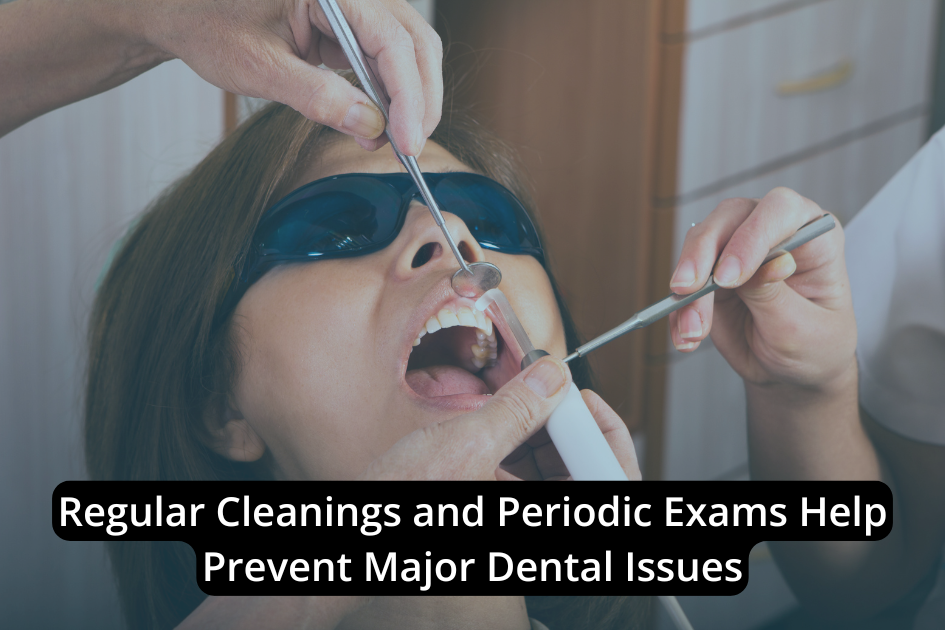
Regular cleanings and periodic exams are the backbone of preventive dentistry because they let us find small problems before they become costly, painful issues. We remove plaque and tartar that brushing and flossing miss, assess gum health, and use targeted diagnostics, like X-rays, when appropriate. You’ll also get tailored hygiene and diet advice based on your risk profile. Together, these steps lower your chances of cavities, gum disease, and tooth loss. Here’s how each visit works, and why timing matters.
Why Preventive Dentistry Matters for Long-Term Oral Health
Although dental problems can develop quietly, preventive dentistry lets us find and manage risks before they become costly, painful conditions. We promote a preventive mindset grounded in evidence: routine exams identify early enamel demineralization, gingival inflammation, occlusal wear, and systemic risk factors like diabetes or xerostomia. With focused dental education, we tailor oral hygiene techniques, fluoride use, and diet counseling to your risk profile. The long-term benefits include fewer invasive procedures, lower costs, and improved function. Preventive care also drives patient empowerment, when you understand disease pathways and self-care metrics, adherence improves. Together, we maintain stability and intercept disease progression.
What Happens During a Professional Dental Cleaning
A professional cleaning begins with a brief review of your medical and dental history, followed by a periodontal screening to measure gum health and detect bleeding or pocketing. We then perform systematic plaque removal and calculus debridement using calibrated dental tools and evidence-based cleaning techniques. To optimize patient comfort, we communicate each step, apply topical desensitizers when indicated, and use gentle instrumentation.
- Ultrasonic scaling removes biofilm and hardened deposits efficiently while irrigating pockets.
- Hand scaling refines margins and guarantees thorough root and enamel debridement.
- Prophylactic polishing and targeted fluoride strengthen enamel and support oral hygiene between visits.
Periodic Exams: Early Detection of Cavities, Gum Disease, and More
Because oral conditions can progress silently, we use periodic exams to detect problems early and intervene decisively. During dental health screenings, we assess caries risk, measure periodontal pockets, evaluate bleeding, and check restorations and occlusion. These findings guide cavity prevention strategies and reinforce gum disease awareness tailored to your risk profile.
We prioritize early intervention benefits: sealing incipient lesions, adjusting hygiene techniques, and scheduling targeted recalls to halt progression. Our patient education initiatives translate evidence into action, including fluoride use, interdental cleaning, diet counseling, and habit coaching. By standardizing assessments at each visit, we track trends, refine care plans, and reduce the likelihood of invasive, costly treatment.
The Role of X-Rays in Catching Hidden Dental Problems
While a visual exam reveals surface clues, dental X‑rays let us see decay between teeth, infections at root tips, bone loss from periodontal disease, impacted teeth, and defects under existing restorations that aren’t apparent clinically. Using modern X-ray technology, we employ dental imaging to detect hidden cavities and assess tooth and bone structures with precision. This supports early diagnosis and targeted preventive measures.
- Identify interproximal decay and recurrent caries beneath fillings before pain starts.
- Evaluate bone levels and locate periodontal defects to guide non-surgical care.
- Reveal impacted teeth, cysts, or periapical lesions that may threaten adjacent structures.
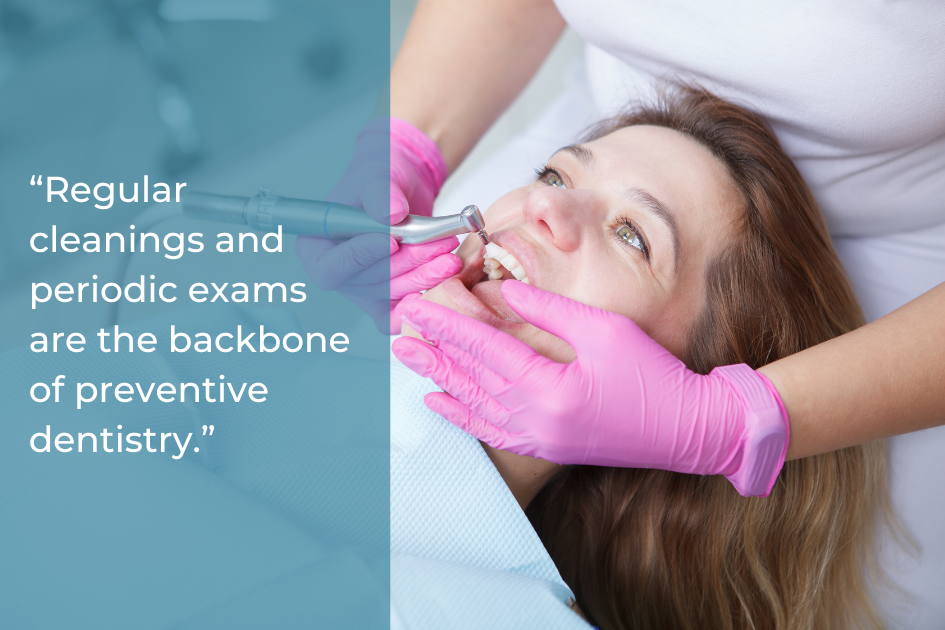
How Regular Visits Reduce the Risk of Costly Treatments
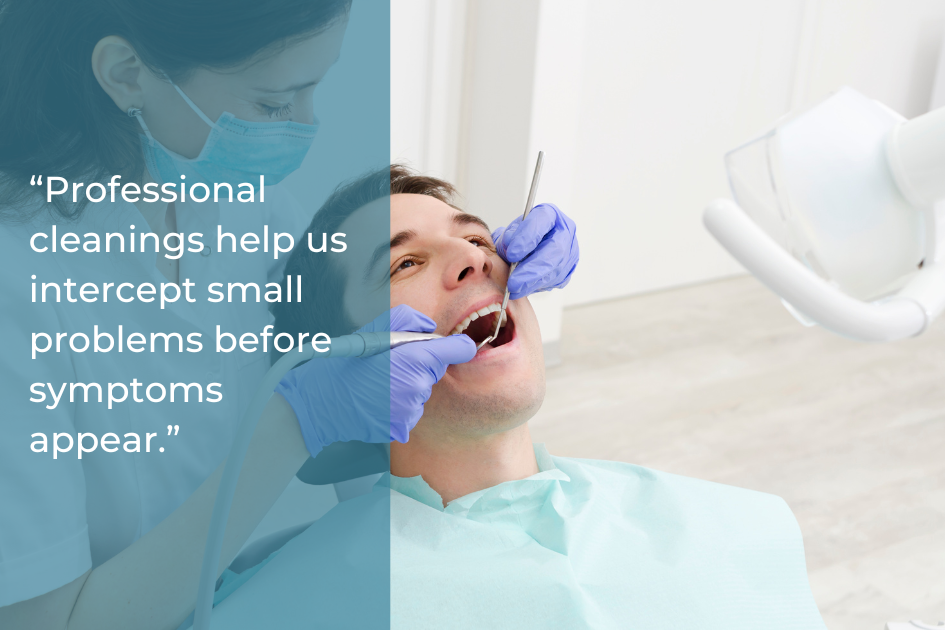
Even before symptoms appear, regular check-ups and professional cleanings help us intercept small problems, incipient decay, early gingivitis, cracked fillings, before they evolve into root canals, crowns, extractions, or periodontal surgery. We apply cost-effective strategies grounded in risk assessment: caries screening, periodontal charting, occlusal evaluation, and sealant or fluoride recommendations when indicated. With structured recalls, we adjust plans as your risk changes. Patient education benefits include targeted hygiene instruction and diet counseling that reinforce treatment avoidance techniques. This disciplined, preventive care importance translates to fewer emergencies, shorter procedures, and long-term savings by preventing escalation, preserving tooth structure, and minimizing complex interventions.
Plaque, Tartar, and Biofilm: Why Home Care Isn’t Enough
Although daily brushing and flossing are essential, they can’t fully disrupt the complex oral biofilm that matures on teeth and below the gumline. Biofilm formation organizes bacteria, shields them from toothpaste and rinses, and accelerates plaque accumulation. As minerals harden plaque into calculus, only professional tartar removal restores a healthy surface. That’s where regular dental hygiene visits matter.
- Biofilm’s matrix resists shear forces, highlighting home care limitations.
- Subgingival niches harbor pathogens that fuel gingivitis and periodontitis.
- Instrumentation and polishing disrupt mature colonies and smooth root surfaces.
Together, we reduce bacterial load, inflammation, and risk for cavities and gum disease.
Personalized Home Care Tips From Your Dental Team
Professional cleanings break up mature biofilm and remove tartar; between visits, targeted habits keep bacterial regrowth in check. We tailor personalized brushing techniques based on your enamel risk, crowding, and dexterity, often recommending soft bristles, angled strokes at the gumline, and timed sessions with electric brushes. We coach effective flossing methods (C‑shape, gentle glide under the gum margin) or water flossers for tight contacts. Our mouthwash recommendations consider caries, gingivitis, and sensitivity, and alcohol-free fluoride or CPC formulas when appropriate. We review dietary impact, frequency of fermentable carbs, acidic drinks, and protective dairy. For children’s dental habits, we emphasize fluoridated toothpaste, supervised brushing, and xylitol.
Monitoring Changes: Tracking Gum Health and Tooth Wear Over Time
Because gum tissues and enamel change gradually, we document baselines and measure trends so we can intervene early. At each visit, we record periodontal probing depths, bleeding scores, and enamel wear patterns. Consistent metrics let us detect early gum disease, bruxism, and emerging tooth sensitivity before they escalate.
1) We use dental technology—digital photos, intraoral scans, and radiographs—to compare changes precisely.
2) We review oral hygiene effectiveness, adjusting techniques and fluoride exposure to stabilize tissues.
3) We prioritize patient communication, explaining findings, risk factors, and timelines.
Together, we track progression, quantify risk, and time care appropriately, preserving function and avoiding preventable interventions.
Comfort-Focused Care at Best Smiles Dental in Hutto, TX
From the moment you arrive at Best Smiles Dental in Hutto, TX, we structure your visit to minimize anxiety, reduce pain, and improve tolerance of care. We apply evidence-based comfort measures, including topical anesthetics, gentle instrumentation, and guided breathing. Our staff training emphasizes trauma‑informed communication and clear procedural explanations to lower dental anxiety. We use relaxation techniques, noise‑cancelling headphones, weighted blankets, and controlled pacing to modulate physiologic stress. Real-time patient feedback informs adjustments in positioning, suction, and anesthetic timing. We document tolerance scores and outcomes, then refine protocols accordingly. With Dr. Bindya Reddy’s oversight, we align clinical effectiveness with compassionate, measurable comfort.
Building a Preventive Schedule That Fits Your Life
While schedules vary, we help you anchor preventive care to predictable intervals and risk factors. We design a preventive schedule grounded in evidence: most adults benefit from six-month cleanings, with shorter intervals for periodontal risk, pregnancy, diabetes, or orthodontics. We integrate time management, lifestyle adjustments, and family involvement so everyone stays on track, minimizing missed appointments and disease progression. We also deploy dental reminders via text and email to reinforce adherence and reduce no-shows.
1) Set recall frequency by caries and periodontal risk.
2) Align visits with school/work calendars and benefits cycles.
3) Use shared family reminders to coordinate hygiene and exams.
Conclusion
When we stay consistent with cleanings and exams, we avoid playing dental “Odysseus” against unseen threats. Professional debridement removes plaque and calculus that fuel caries and periodontitis, while exams and diagnostic X-rays reveal early lesions and bone changes before they escalate. We tailor home-care guidance and monitor trends, pocket depths, wear facets, and restorations, so interventions remain minimal and cost-effective. Let’s commit to a preventive schedule that fits your life and keeps major dental issues from ever setting sail.
If you’re ready to protect your smile and stay ahead of oral health problems, our team at Best Smiles Dental in Hutto is here to support your preventive journey.